Prof. Dr. Juan José Castellón

25CM_X10
Simon Roderick, Manuel Ponce, Subin Hong
PHYSICAL MODEL


DIGITAL MODEL


PROCESS


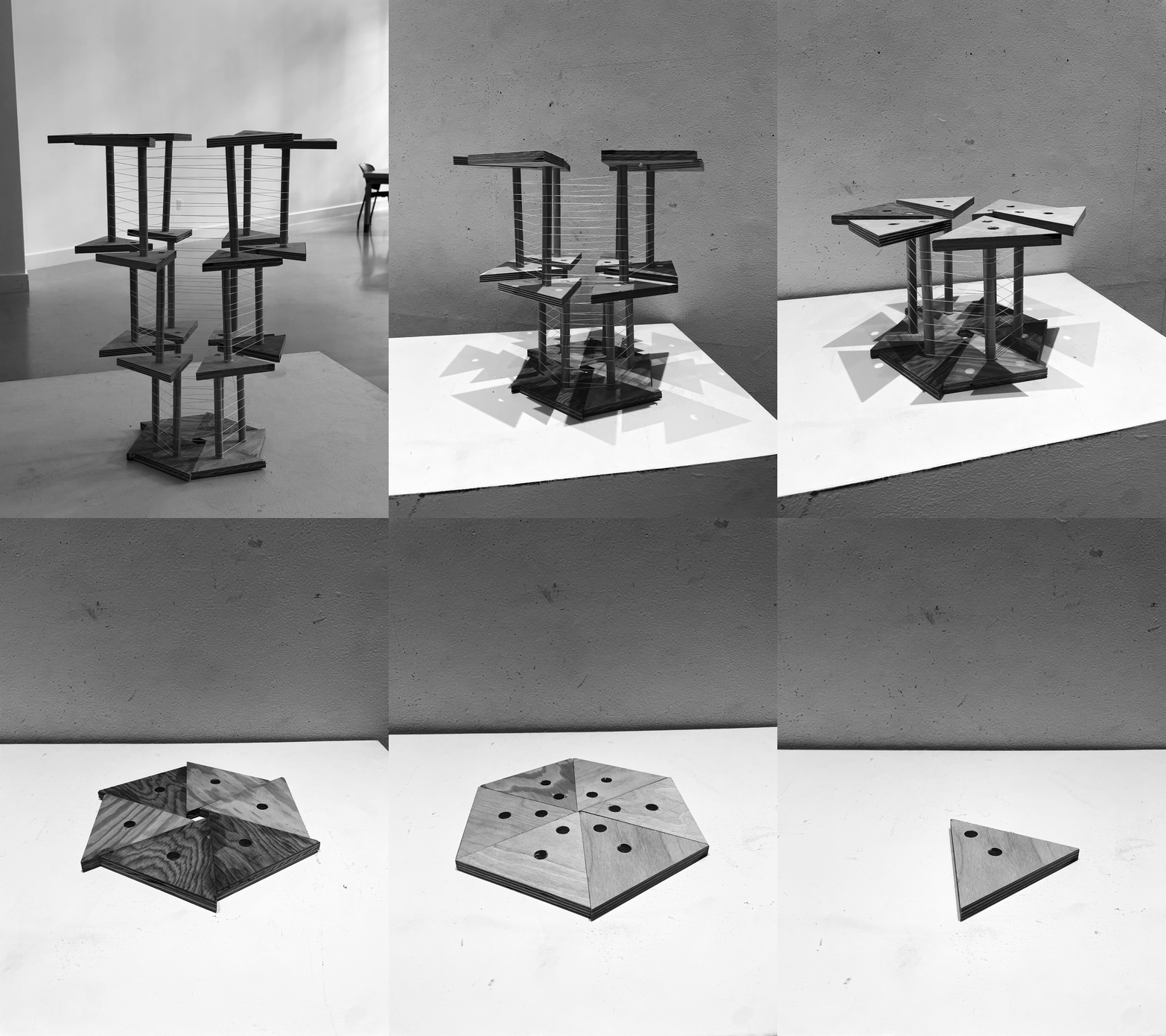
Building on the ideas explored in our Equilibrium and Reciprocal models, our final design merges both concepts
into a single triangular structure. After working exclusively with square geometries in our earlier
iterations, we shifted to a triangular form to push the complexity of the system and introduce a sharper, more
dynamic spatial language. The triangle allowed us to maintain the same conceptual ideas of endless staggering,
instability, and rhythmic imbalance, while presenting them through a geometry that feels more unexpected and
visually striking.
The base begins with six triangular pieces arranged like slices of a pizza. Each triangle contains one or two
drilled holes that determine the placement of the structural dowels. The full ring of triangles is rotated 45
degrees at the base.
As the model rises, wooden dowels are inserted through the edge holes of each triangle in a linear, vertical
manner. Even though the dowels themselves are straight, placing them consistently along the triangle edges
produces a rhythmic vertical structure that visually expands as it grows. Strings wrap around the dowels in a
horizontal manner, creating a horizontal visual connection that unifies the vertical structure. Together,
these components creating a dynamic shading effect.