Prof. Dr. Juan José Castellón

25EM_X10
Simon Roderick, Manuel Ponce, Subin Hong
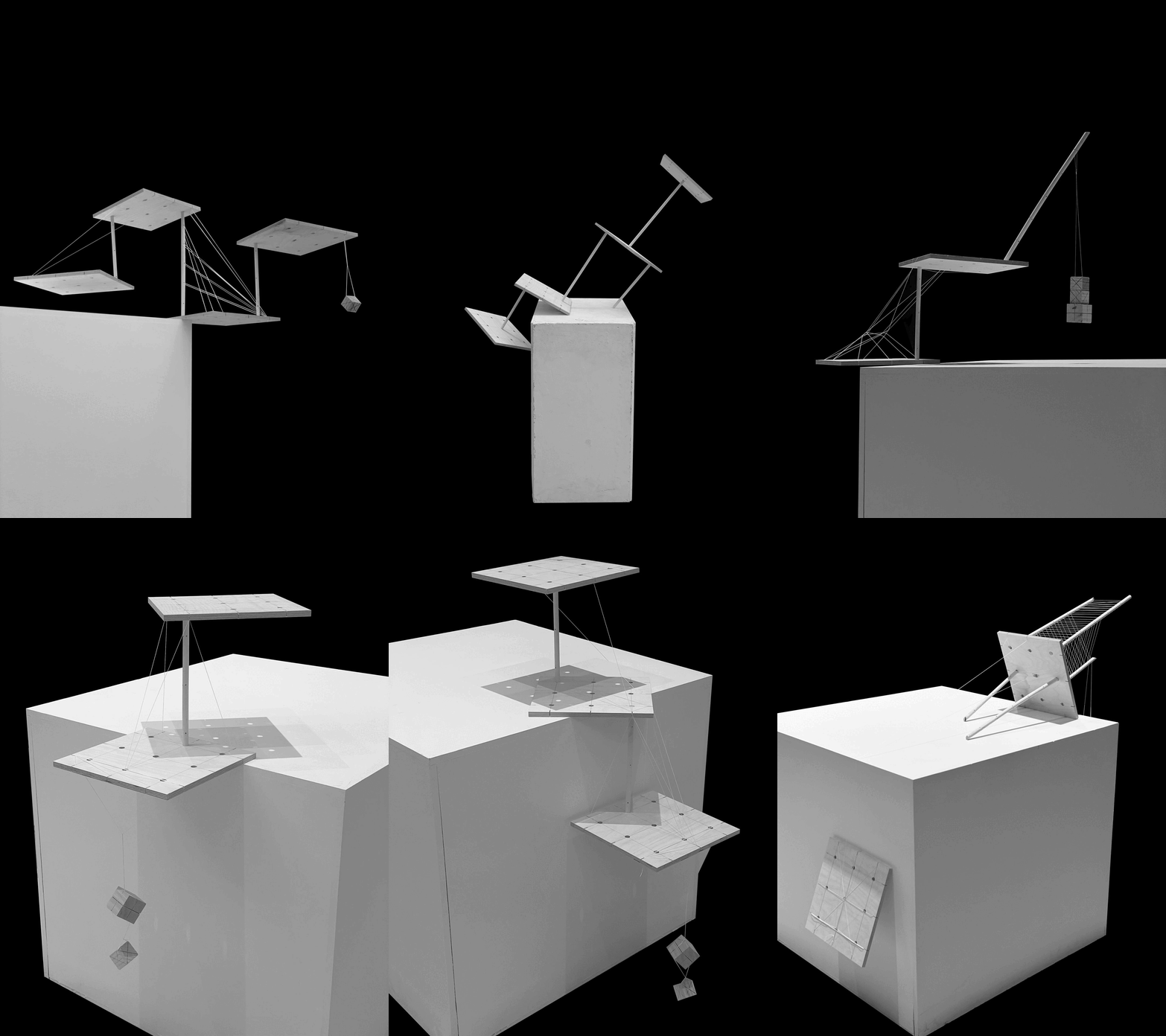
PHYSICAL MODEL


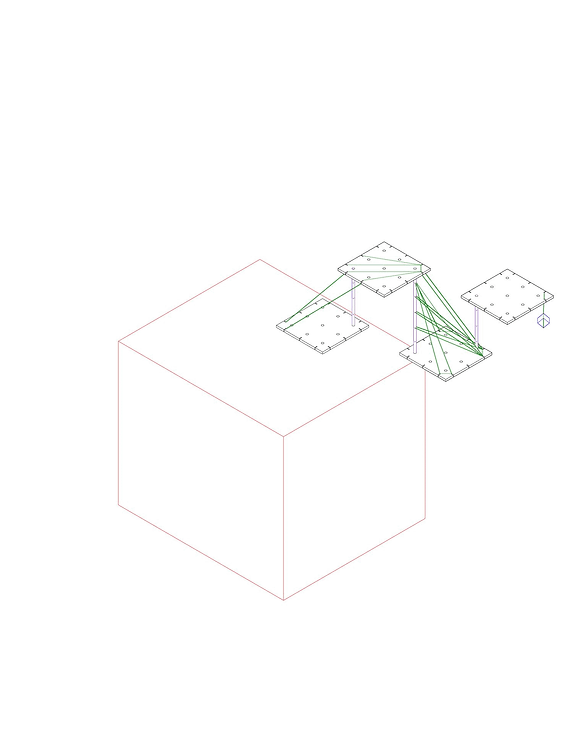
DIGITAL MODEL


PROCESS


The concept behind our model is to explore balance through states of non-equilibrium . Each variation appears unstable: tilted, hanging, or on the verge of falling, yet achieves stability through precise placement.
This tension creates suspense and invites the viewer to wonder how the structure manages to hold. We began by forming a grid on the wooden base and drilling holes at precise points to allow flexible arrangements.
Wooden sticks were tilted into these holes, acting as the primary supports. Additional slits in the materials created interlocking connections, securing elements in different positions. Wooden blocks
were then introduced (for most variations) as the final touch, serving as counterweights that stabilized the composition. Without these blocks, the entire structure would collapse. making them essential to
achieving equilibrium. A cable threads through the composition, introducing both tension and compression while also functioning as a visual component. Shadows cast by the model extend its presence beyond the physical structure, emphasizing the interplay of fragility and balance. This exercise demonstrated the significant precision and patience required to construct an object that appears effortless yet is carefully balanced. An initial simple arrangement of wooden components evolved into an investigation of gravity and the interactions among individual elements. The process revealed that
design encompasses not only the ability to achieve structural stability but also the capacity to influence perceptions of instability and balance. Ultimately, the project achieved equilibrium as both a practical
requirement and a design strategy that engages and intrigues viewers.